
Seminar
Diving Physics & the Open Water Environment and Aquatic Life
- Freediver Course
- Duration: 4 hrs
- Cost: 20 €
- Participants: up to 4
- Language: English
- Interaction: Questions & Discussion
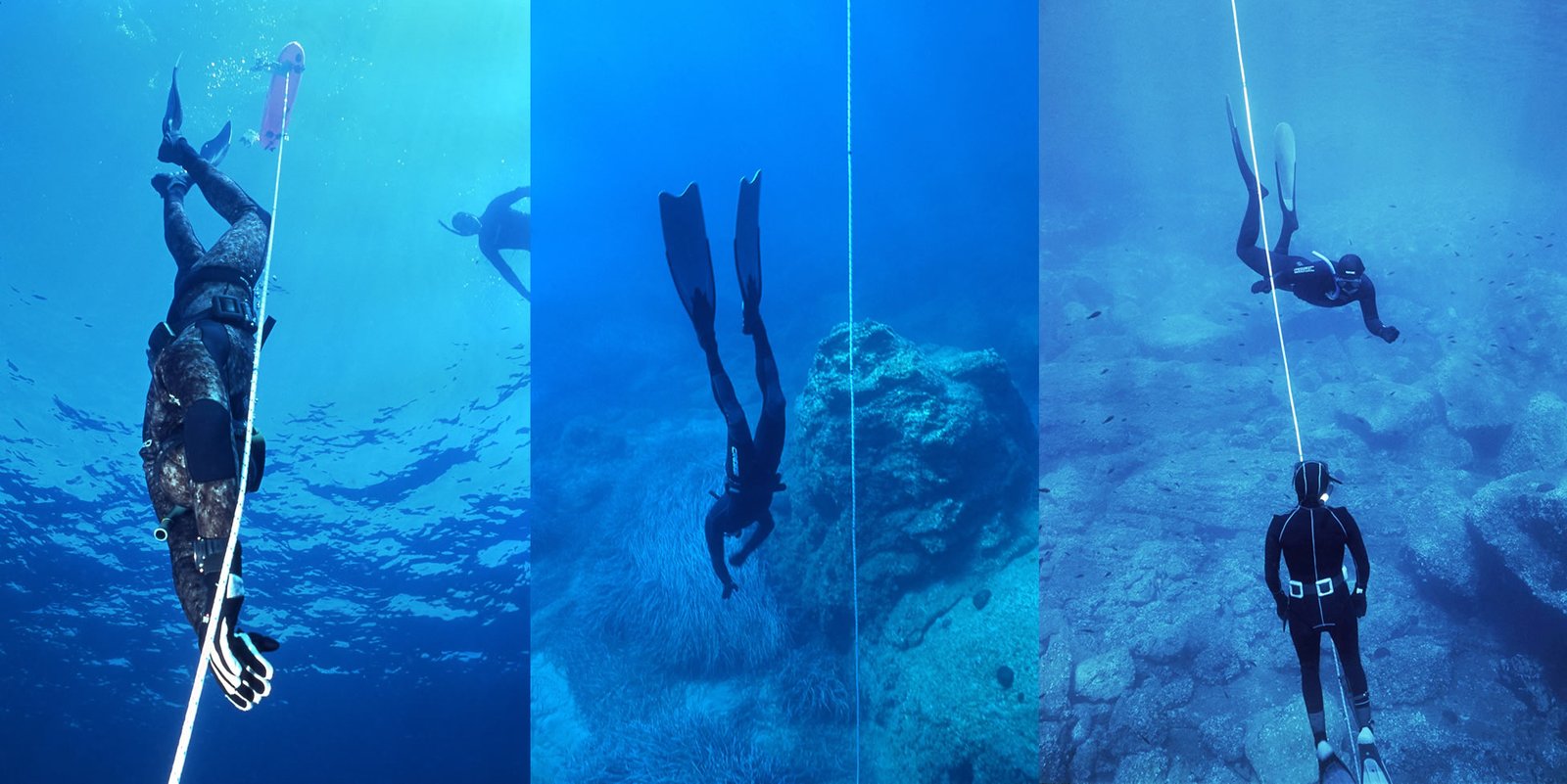
Gain a deeper understanding of the physical and environmental principles that affect every freedive. This seminar explores diving physics, water conditions, aquatic life interactions, environmental awareness, and practical safety strategies for diving in a variety of open water environments.
Contents
Diving Physics
- The relationship between water depth and pressure.
- The relationship between pressure and gas volume?
- The two other ways important to freediving that pressure affects the behavior of gases?
- How does water affect what we see while freediving.
- How does water affect what we hear while freediving.
- Why we need more insulation in water compared to air of the same temperature.
- How does water affect our orientation while freediving.
The Open Water Environment
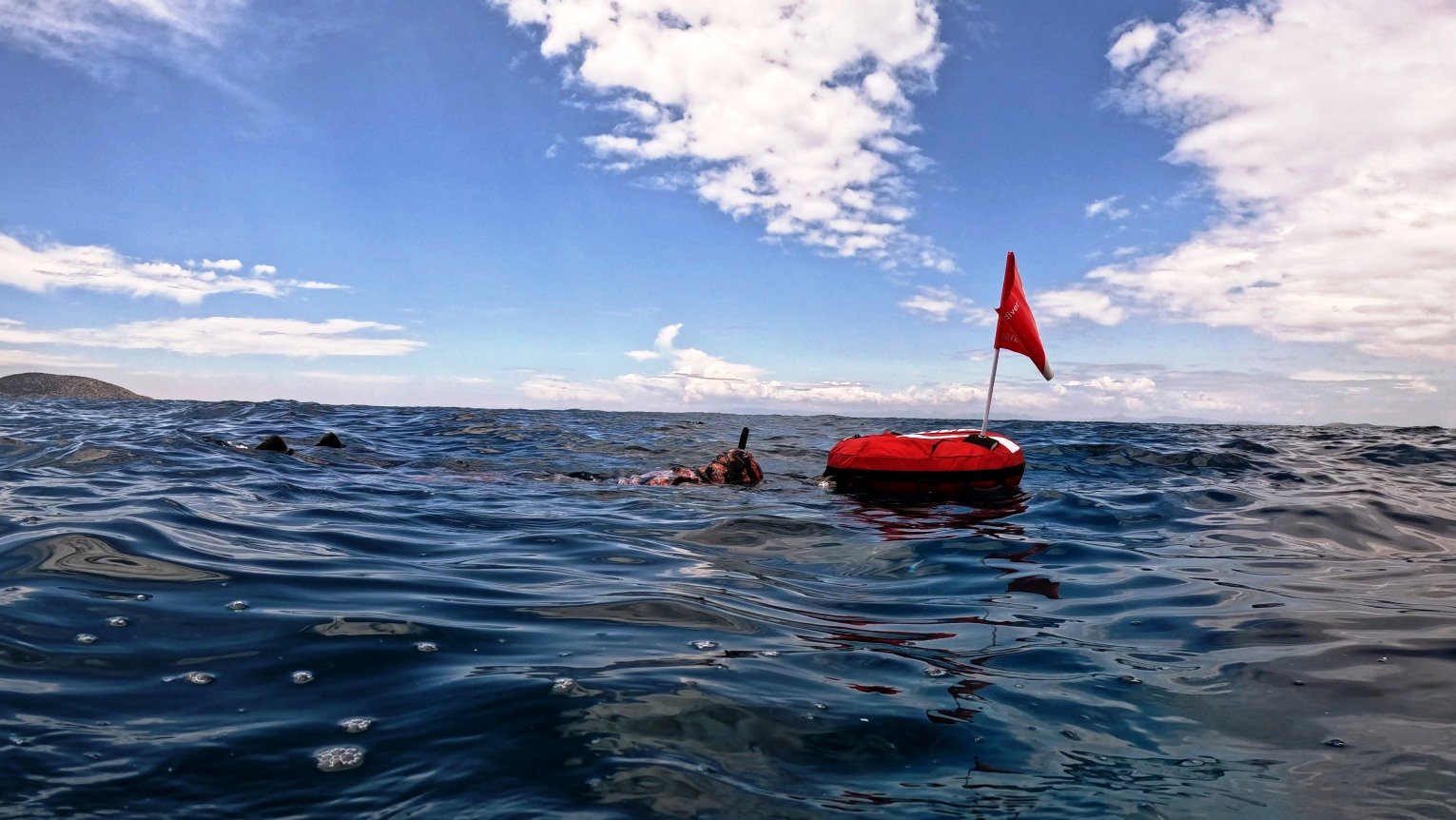
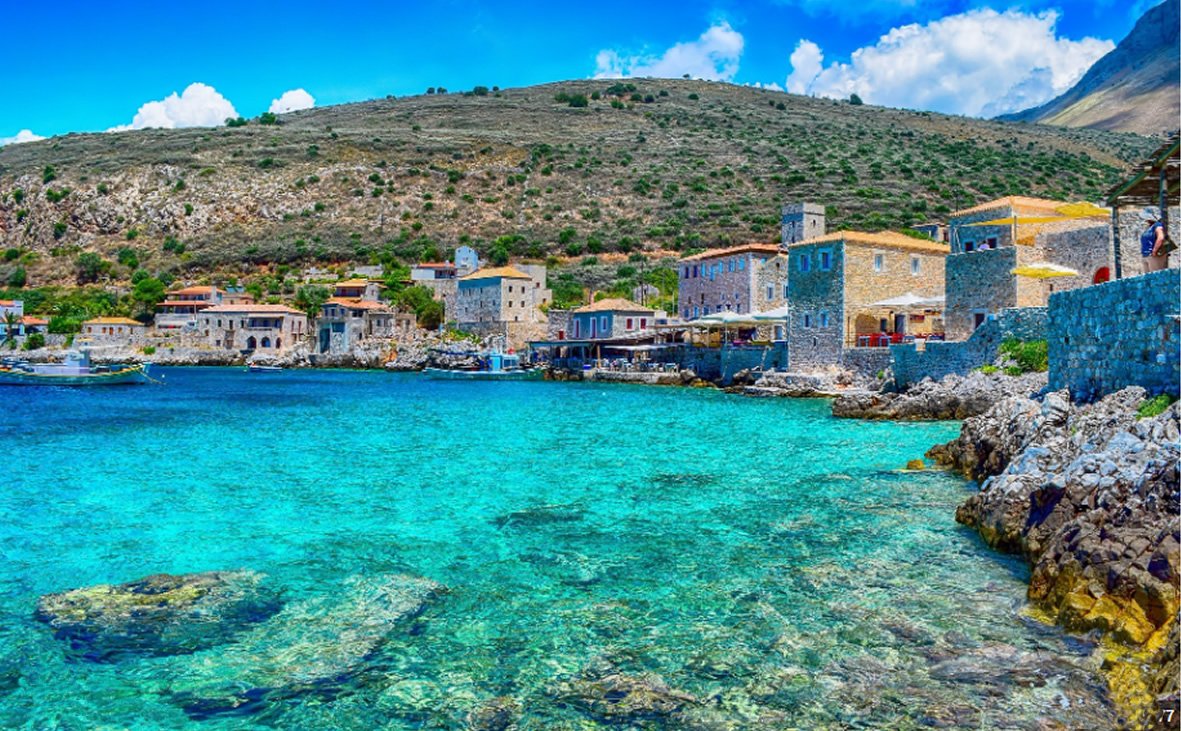
- Types of environments we might freedive in.
- Six general environmental conditions that can affect us while freediving.
- How can temperature affect you as a freediver.
- How can reduced visibility affect you as a freediver.
- What two types of water movement primarily affect you as a freediver.
- What do you do if caught in a current you can’t swim against while freediving from shore.
- What do you do if caught in a current you can’t swim against while freediving from a boat.
- Five types of bottom composition you are likely to find while freediving.
- How does sunlight affect you as a freediver. How you can avoid sunburn.
- What differences can you expect between diving in fresh water and saltwater.
- How you can assess conditions. What to do if your assessment causes you a concern or anxiety.
- At what depth do waves break.
- What is a rip current and what should you do if caught in one.
- What causes tides, and how do they affect freediving conditions. – How do you enter and exit the water through mild surf.
The Aquatic Life
- The two types of interactions can you have with aquatic life.
- The different types of potentially hazardous aquatic life.
- What causes nearly all injuries from aquatic life.
- The nine steps should you follow to prevent and/or handle injuries caused by aquatic animals.
- What should you do if you see a potentially aggressive animal while freediving.
- Why are there laws and regulations concerning wild life. Why it is important to follow them.
- The hazards that aquatic plants may present.
Learning outcomes
Participants will learn:
- How pressure affects the body, gases, and equipment underwater
- The effects of water on vision, hearing, temperature, and orientation
- How to assess environmental conditions before a dive
- Safe responses to currents, surf, tides, and reduced visibility
- Differences between saltwater and freshwater diving
- How to interact safely and responsibly with aquatic life
- Prevention and management of common aquatic life injuries
- Environmental awareness and responsible freediving practices
This seminar works very well as a foundational theory seminar, helping freedivers understand not just how to dive, but why conditions underwater behave the way they do.