
Course curriculum
Explore the lessons
Explore the complete course curriculum. Lesson videos are available to subscribed members.
 01
🔒
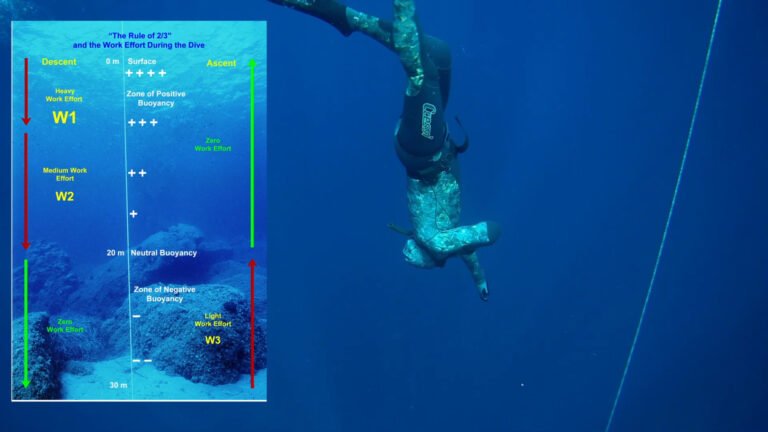
Buoyancy adjustment for deep freediving
Members only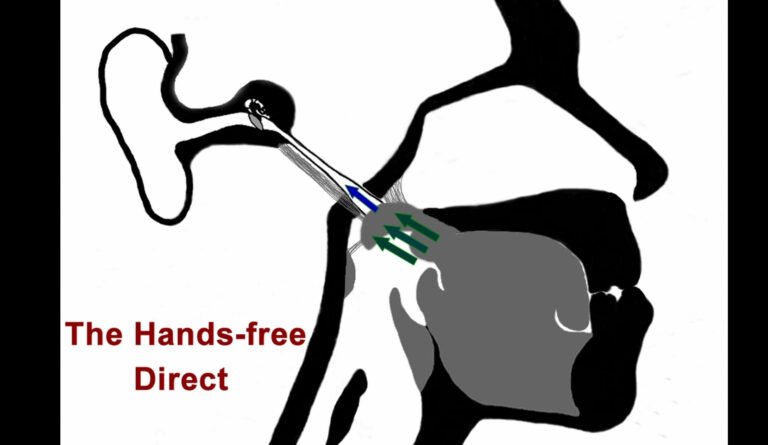 02
🔒
Ear clearing for deep freedives
Members only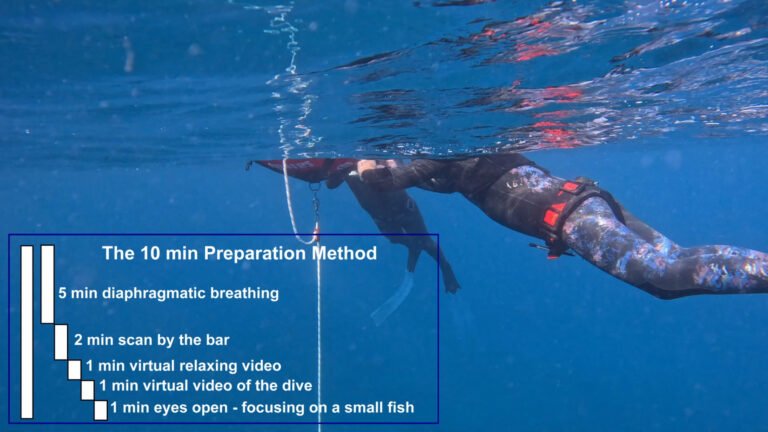 03
🔒
The 10 min preparation method before a deep dive
Members only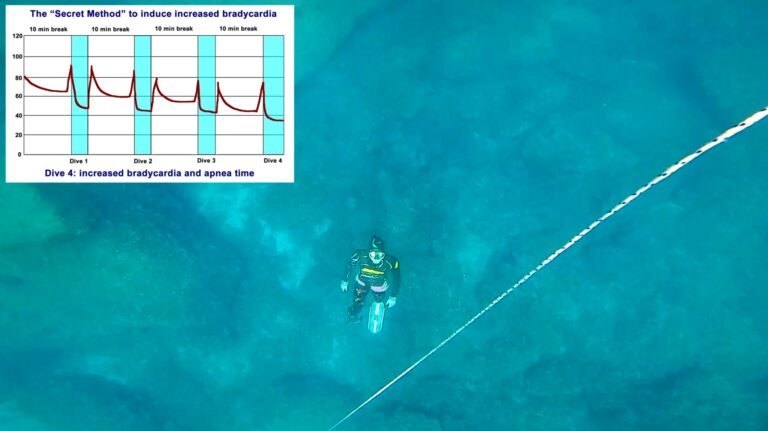 04
🔒
The secret method for extreme bradycardia, deeper and longer dives
Members only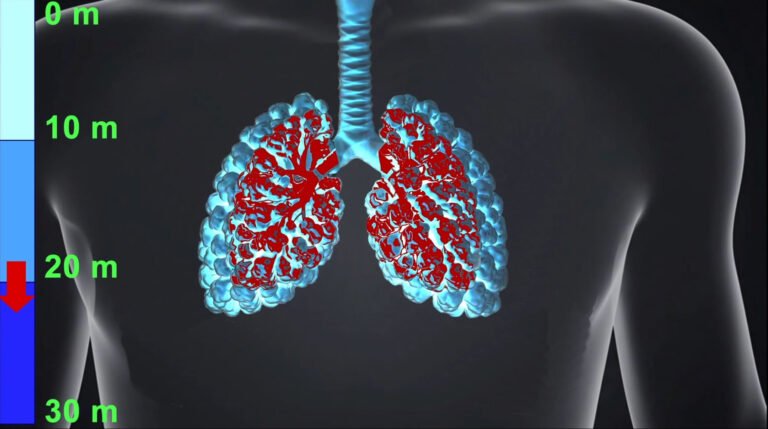 05
🔒
How to avoid lung squeeze in deep freediving
Members only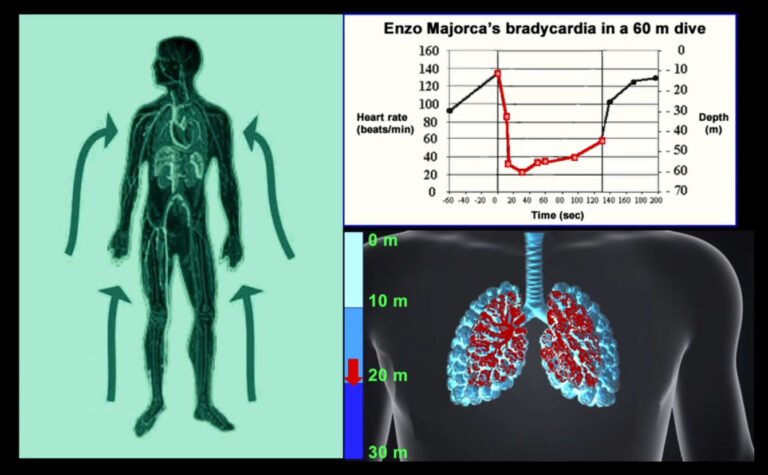 06
🔒
The dive reflex in deep freediving
Members only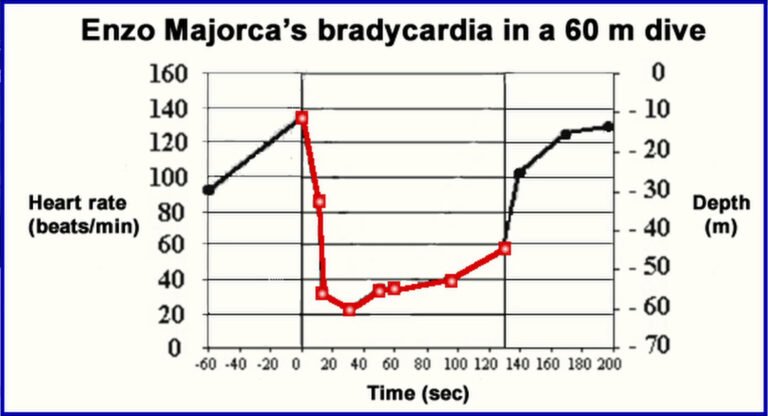 07
🔒
Freediving bradycardia
Members only 08
🔒
Brain oxygen consumption during deep freediving
Members only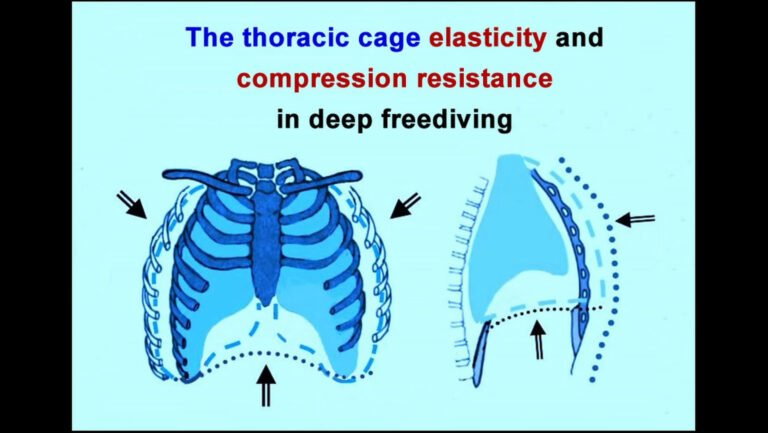 09
🔒
Useful tips to avoid lung squeeze and lung over-expansion in deep freediving
Members only 10
🔒
Freediving Decompression sickness
Members only 11
🔒
Nitrogen narcosis in deep freediving
Members only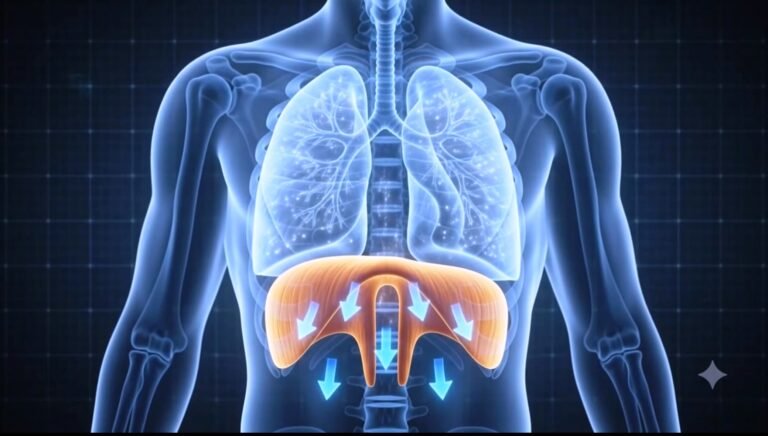 12
🔒
The method of diaphragmatic breathing and its value for deep freediving
Members onlyCurriculum
- 12 Sections
- 12 Lessons
- Lifetime
Expand all sectionsCollapse all sections
- Chapter 011 ItemBuoyancy adjustment for deep freediving
- Chapter 021 ItemSelecting the best suitable ear clearing method for a deep freedive
- Chapter 031 ItemThe 10-minute preparation method for a very deep dive
- Chapter 041 ItemThe best kept secret in deep freediving preparation and bradycardia
- Chapter 051 ItemLung compression in deep freediving
- Chapter 061 ItemThe dive reflex in deep freediving
- Chapter 071 ItemThe map of reflex bradycardia in deep freediving
- Chapter 081 ItemOxygen consumption in the brain during deep freediving
- Chapter 091 ItemUseful tips on avoiding a lung squeeze and a lung over - expansion in deep freediving
- Chapter 101 ItemThe freediving decompression sickness
- Chapter 111 ItemNitrogen narcosis in deep freediving
- Chapter 121 ItemThe method of diaphragmatic breathing and its value

To enroll in a course, you need to create an account on our platform, browse our course catalog, and click on the "Enroll" button next to the course you want to join. Follow the on-screen instructions to complete the registration process.
For the moment there are no exams or assessments. In the near future, courses will include quizzes and assignments, which you can take anytime and assess your understanding of the material. The specific assessment methods will be detailed in the course syllabus.